Plumbing · South Bound Brook, NJ
The company uses current inspection tools and follows established plumbing standards on every job. Crews document findings with video so owners can see the condition of the line before decisions are made.
Slow drainage in multiple fixtures often points to a restriction farther down the main line rather than a simple clog in one fixture. Gurgling sounds from toilets or floor drains can occur when air becomes trapped behind a partial blockage. Unpleasant odors near basement floors or yard cleanouts sometimes signal escaping sewer gas from a crack or separated joint. Wet patches in the lawn that persist without recent rainfall may indicate leakage from the underground pipe. Homeowners can note which fixtures are affected and whether the issue occurs only during heavy use, giving the plumber a clearer starting point for the inspection. These notes help narrow the search area before equipment is brought in.
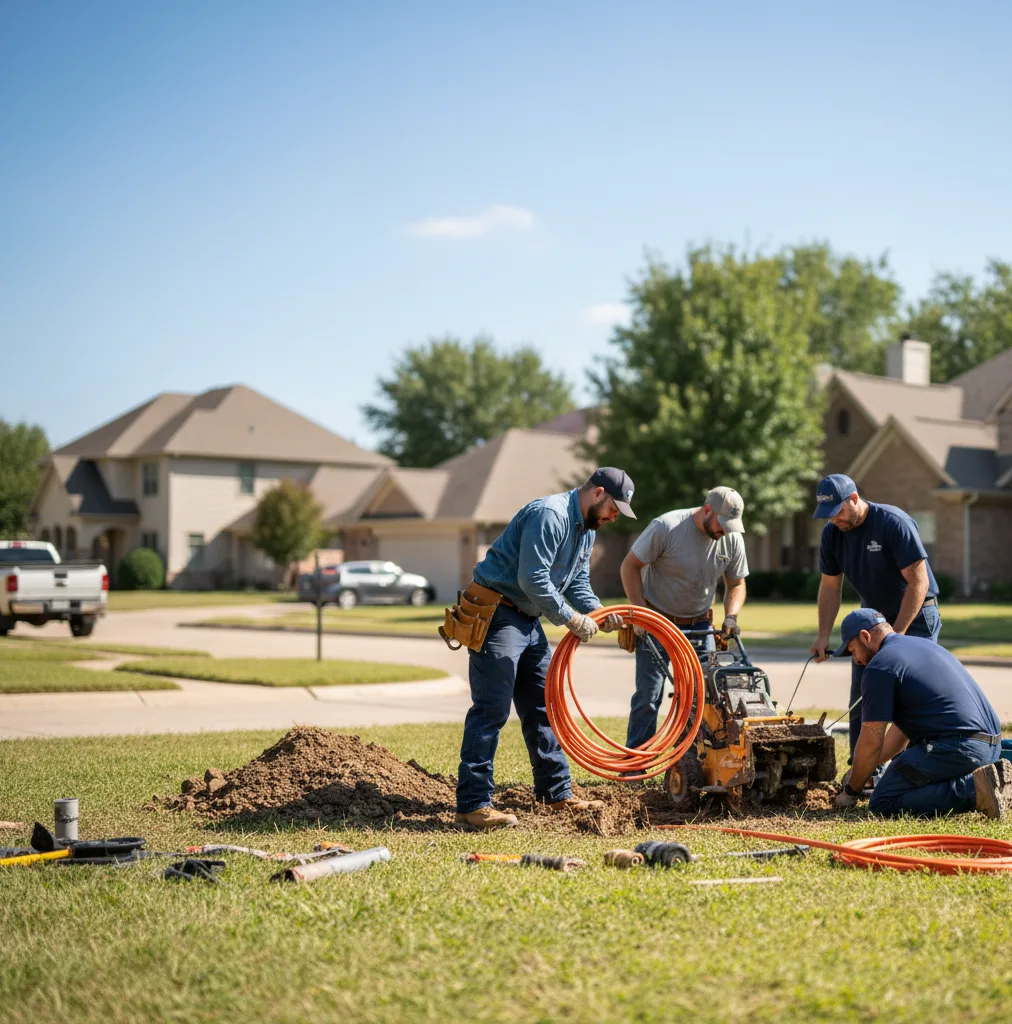
A small access point is located or created at a cleanout to insert a flexible camera line. The camera feed shows the interior condition of the pipe, including any roots, offsets, or collapsed sections. Measurements taken during the inspection identify the distance from the access point to the problem area so planning can account for depth and nearby utilities. Soil conditions around the line are checked to determine whether hand digging or machine excavation will be required. Once the findings are reviewed with the property owner, the repair approach is selected based on the extent of damage rather than a single preferred method.
Sewer lines sit below ground and must contend with whatever the surrounding earth, water, and weather present during installation or fixes. The soil under homes and streets in South Bound Brook is clay loam that drains slowly. The type of soil under a house decides how much its foundation moves over the years and how crews reach the pipes.
Water from local taps is moderately hard water. This property of the supply can affect pipe materials and the tools used in repairs. Weather adds another layer that shapes timing and methods. South Bound Brook has warm summers and cold winters, around 23 inches of snow a year, and 101 nights below freezing. These patterns guide when work can proceed without extra risk from temperature swings or moisture.
FAQ

Age is the first factor. Most residential tanks last ten to fifteen years. Visible rust on the exterior, repeated leaks, or water that stays warm only briefly are signs the tank itself is failing. When repair costs approach half the price of a new unit, replacement is usually the better long-term choice. We check the model number and condition on site before giving a recommendation.
Most units have an accessible dial or digital control. Lowering the setting a few degrees can reduce energy use, but turning it too high risks scalding and added wear on components. Always turn off power or gas before adjusting internal parts, and verify the pressure relief valve still operates afterward. If you are unsure about the procedure, have a technician demonstrate the correct steps during a service visit.
Popping or rumbling usually comes from steam bubbles moving through sediment that has settled at the bottom of the tank. Over time this layer insulates the water from the heat source and forces the burner or element to work harder. Flushing the tank removes much of the sediment, though heavy buildup may require more than one flush or a professional cleaning. If the noise continues after flushing, the anode rod or heating components may also need attention.
Water Heater Repair & Plumber across South Bound Brook, NJ. Call (970) 528-5707.
Call (970) 528-5707